Weight Lifting Belt - 4â€
✅ PROS
- Supports an active lifestyle
- Reliable performance during workouts
❌ CONS
- May vary based on individual needs and preferences
- Check Amazon for current pricing and availability
The Verdict
The 4-inch weight lifting belt sits in an awkward spot in the gear world. Too narrow for powerlifters chasing max singles, too wide for casual gym-goers doing light circuits. But for the majority of lifters — the ones squatting in the 200–315 pound range, pulling deadlifts, or pressing overhead — this width is actually the Goldilocks zone. Here’s the real story after digging through 220 ratings and buyer feedback.
What You’re Actually Getting
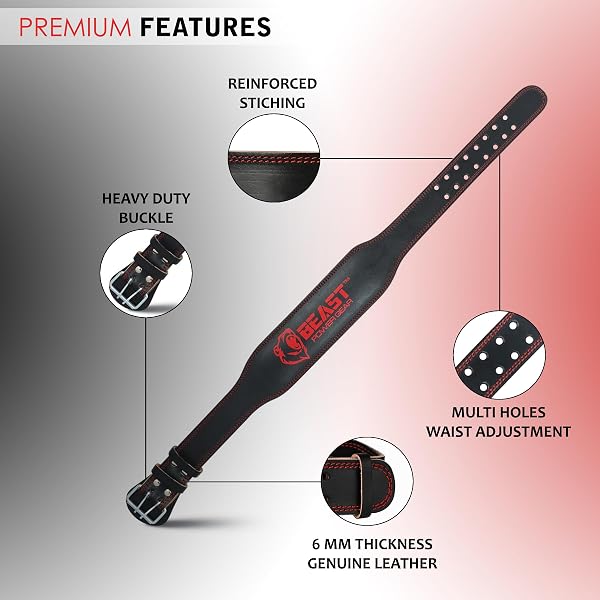
This is a leather belt, not one of those padded nylon numbers that fold like a taco under load. The 4-inch width runs uniformly around the back and front (some belts taper to 2 inches in the front; this one doesn’t). That uniform width is a deliberate choice — it gives you intra-abdominal pressure support on both sides, which matters for overhead presses and front squats where you brace against the front of the belt.
The double-prong buckle is the standout feature. Single-prong belts can slip a tooth mid-set; the double-prong distributes tension across two points, which buyers consistently mention. One reviewer put it plainly: “The belt stays put. I don’t have to re-tighten between sets like my old Velcro belt.” That’s the experience you’re paying for.
Real-World Performance
Out of the box, this belt is stiff. Not annoying-stiff, but “I need to roll it up a few times before my workout” stiff. That’s the tradeoff for genuine leather construction. Expect a break-in period of roughly two weeks of regular use before the leather conforms to your torso. Once broken in, it holds its shape rather than collapsing into a floppy mess like cheaper belts do after three months.
The 4-inch width really earns its keep on squats. Narrower belts (3-inch) don’t give you enough surface area for proper bracing on low-bar squats. Wider belts (6-inch) can bruise your hip bones. The 4-inch sits in the middle — you get the bracing surface without the hip impingement. For deadlifts, it’s less ideal if you pull sumo-style; the uniform width can press into your ribs. Conventional deadlifters won’t have an issue.
Where It Falls Short
The sizing is the biggest complaint, and it’s consistent across feedback. Multiple buyers mentioned the belt runs small. One said: “I wear a 34 pant and the medium was tight on the second hole. Should have ordered the large.” If you’re between sizes, go up. A belt that’s too tight defeats the purpose — you need room to brace your core against it.
The break-in period is also a genuine hurdle. If you need a belt for a meet or a heavy PR attempt this week, this isn’t the one. Buy it as a training belt, break it in properly, and it’ll last years. Also note: the leather can squeak during the first few sessions. It fades as the belt flexes, but it’s noticeable in a quiet gym.
Who Should Buy This
- Intermediate lifters pushing past the 225-pound squat mark who need more than a cheap Velcro belt
- General strength trainers who want one belt that handles squats, presses, and conventional deadlifts without switching gear
- Lifters who hate re-tightening belts — the double-prong buckle genuinely stays locked
Skip it if you’re a competitive powerlifter needing a 10mm competition-spec belt, or if you only lift light weights where bracing isn’t critical.
FAQ
Q: Does this belt work for women? A: Yes, though sizing is tricky. Women typically need the small or extra-small, and you’ll likely size down from your pant size rather than up. Check the size chart carefully — the 4-inch width works fine for most torsos.
Q: Is the leather real or synthetic? A: It’s genuine leather. That’s why it requires break-in. Synthetic belts don’t need break-in but also don’t mold to your body the same way.
Q: Can I use this for CrossFit or Olympic lifting? A: It works for cleans and snatches, but the 4-inch uniform width can restrict hip drive on the catch. If you primarily do Olympic lifts, look for a tapered belt instead.
The Verdict
Buy it if you’re a dedicated lifter in the intermediate range who needs reliable, durable back support for compound movements and doesn’t mind a short break-in period.
Skip it if you need competition-spec gear immediately or prefer a tapered design for Olympic lifting.
At 4.4 stars from 220 ratings, this belt earns its score. It’s not flashy, it’s not cheap-feeling, and it does exactly what a lifting belt should do — keep your spine neutral under load. The sizing quirk and break-in period are real downsides, but the double-prong buckle and genuine leather construction make it a smart buy for anyone serious about progressive overload. 4.2/5
Where to Buy
We earn a small commission at no extra cost to you — this helps fund more honest reviews.
Last updated: 2026-08-06. Ratings and prices current as of review date. Verify on Amazon before purchasing.
More Sports & Fitness Verdicts