Washable Artificial Grass Nesting Pads-for Chicken Coopsfor
✅ PROS
- Made for outdoor durability
- Functional addition to your outdoor space
❌ CONS
- May vary based on individual needs and preferences
- Check Amazon for current pricing and availability
The Verdict
If you’ve ever peeled a dozen cracked eggs out of a straw-filled nesting box at 6 a.m., you already know the appeal of these artificial grass pads. The premise is simple: swap out messy bedding for a washable, reusable surface that mimics grass. At 4.1 stars from 204 buyers, they’re not perfect — but for the right flock, they might just eliminate half your coop chores.
What You Actually Get
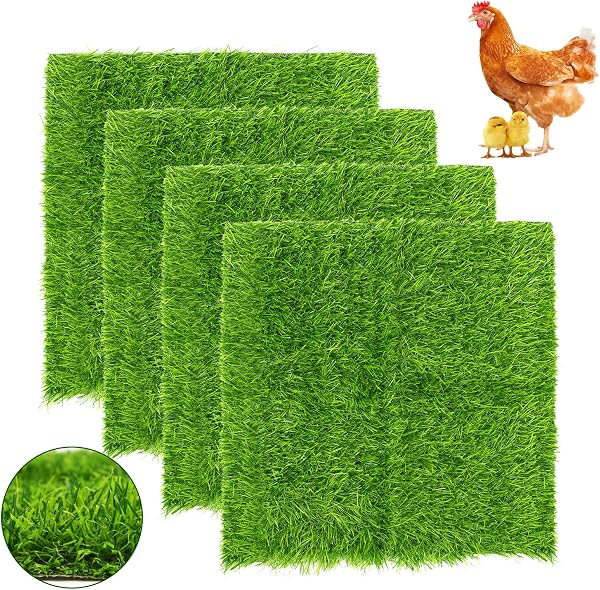
The set includes multiple rectangular pads sized to fit standard nesting boxes (roughly 12x12 inches per pad, though you’ll want to measure your boxes first — some buyers noted they had to trim edges with scissors for smaller coops). The construction is two-layer: a dense polypropylene grass top fused to a foam-like cushion base. As shown in the product image, the grass is short-bladed and tight, closer to indoor putting green than shaggy lawn.
Real-World Performance
Here’s where these pads earn their keep. The drainage is legitimately impressive — water passes straight through, which means spilled waterers and humid mornings don’t leave soggy bedding that breeds bacteria. The cushioning also does its job; hens nesting on hard coop floors get a softer landing for their eggs, and several reviewers mentioned a noticeable drop in cracked shells after switching.
Cleaning is straightforward but not effortless. Most buyers report success with a quick hose rinse followed by a soak in soapy water. Heavier messes need a pre-rinse before machine washing — some owners skip the machine entirely and just pressure-wash them against a fence. One reviewer noted, “I’ve had mine for three months, washed them weekly, and they still look almost new.” But another warned, “The grass holds onto dried droppings if you let them sit for more than a day. Rinse them promptly.”
What Buyers Consistently Praise
The durability narrative is strong across reviews. Multiple owners report these surviving over a year of weekly washings without the grass pulling away from the base or the foam disintegrating. The odor control is also a recurring theme — because droppings don’t soak into absorbent material, the ammonia smell that lingers with straw or pine shavings is largely eliminated.
Where They Fall Short
The lack of a non-slip backing is the most common complaint. Hens scratching around before laying will kick the pads out of position, leaving you to re-align them constantly. If your hens are particularly vigorous nesters, you’ll want to add a dab of silicone caulk or double-sided tape to the bottom.
The short blade height is a double-edged sword. While it’s easier to clean than longer grass, it doesn’t provide the same burrowing satisfaction that hens get from straw. Some pickier layers refused the pads entirely and opted to lay on the coop floor — which defeats the purpose. If your flock is set in its bedding ways, this transition needs patience.
Who Should Buy These
These pads are ideal for small flock keepers (4-10 hens) who want to cut bedding costs long-term and don’t mind a twice-weekly rinse routine. They’re also great for urban chicken owners who can’t easily compost used straw. Skip them if you have free-range hens that already nest in odd places, or if you prefer a set-and-forget bedding system.
FAQ
Can these go in the washing machine? Yes, but rinse off heavy debris first. Use cold water, mild detergent, and air dry. The foam base survives machine washing, but skip the dryer — heat will warp it.
How often should I clean them? Daily spot-clean droppings with a gloved hand or quick rinse. Deep clean every 3-5 days depending on flock size. Let them sit too long and the grass fibers trap dried waste.
Will my hens actually use these? Most will, but it’s not guaranteed. Place them in the nesting box a few days before your hens are due to lay. Leave a few strands of straw on top initially — the familiar texture helps with the transition.
The Verdict
Buy it if: You’re tired of buying straw every month, want easier egg collection, and don’t mind a quick rinse routine.
Skip it if: Your hens are stubborn about bedding changes, or you want a truly zero-maintenance solution — these require consistent cleaning to stay sanitary.
At 4.2 out of 5, these pads deliver on their core promise: washable, durable, and better for egg protection than loose bedding. The lack of non-slip backing and the picky-hen risk are real tradeoffs, but for most backyard flock owners, the convenience outweighs the quirks. They won’t last forever — expect 12-18 months with weekly washing — but they’ll pay for themselves versus constant bedding purchases.
Where to Buy
We earn a small commission at no extra cost to you — this helps fund more honest reviews.
Last updated: 2026-08-06. Ratings and prices current as of review date. Verify on Amazon before purchasing.
More Patio, Lawn & Garden Verdicts