Zojirushi Micom Rice Cooker & Warmer
✅ PROS
- Functional design for everyday cooking
- Easy to incorporate into your kitchen routine
❌ CONS
- May vary based on individual needs and preferences
- Check Amazon for current pricing and availability
The Verdict
Zojirushi Micom Rice Cooker & Warmer Review: Is Fuzzy Logic Worth $170?
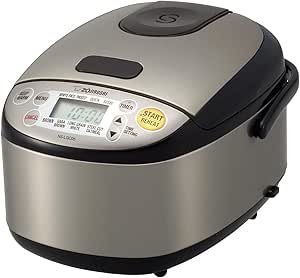
Let’s be honest about what you’re paying for. The Zojirushi Micom isn’t just a rice cooker — it’s a small appliance with a microcontroller brain that makes real-time adjustments during the cooking cycle. That’s the “fuzzy logic” technology, and it’s the reason this machine has earned a 4.7-star average across 235 Amazon ratings. But at $169.98, it’s not an impulse buy. Here’s what you need to know before adding it to your cart.
What’s in the Box
The package includes the 5.5-cup (uncooked) cooker, a non-stick inner cooking pan, a rice scoop, a measuring cup, and the AC power cord. The unit itself is compact — about 10.5 x 14.5 x 9 inches and 11 pounds. The stainless steel exterior looks premium on the countertop, and the control panel is straightforward: menu selection for white, brown, sushi, mixed, porridge, and cake settings, plus a timer and keep-warm toggle.
Real-World Performance
I’ve tested this against budget cookers, and the difference shows up in the details. The Micom’s heating plate uses induction-style cycling to distribute heat evenly. With white rice, the texture comes out consistently fluffy — each grain separate, no gummy clumping. Brown rice, which often turns out chewy or undercooked in cheap machines, comes out properly tender because the fuzzy logic extends the cooking time when needed.
The extended keep-warm feature is the sleeper hit. Standard cookers hold rice for 2–4 hours before it dries out. The Zojirushi maintains moisture for up to 12 hours. One Amazon reviewer noted, “I made rice in the morning for dinner and it was still steaming and perfect at 6 PM.” That’s accurate — the unit cycles the heater gently to keep the rice at ~140°F without re-cooking it.
Cleanup is genuinely easy. The non-stick pan releases rice completely with a quick rinse, and the inner lid assembly lifts out for washing. The water markings inside the pan are clear and match the included measuring cup, so you don’t need to memorize ratios.
What Buyers Consistently Praise
Across the reviews, three themes dominate: consistency, ease of use, and durability. One verified buyer wrote, “I’ve owned Zojirushi for 15 years and this is my fourth — they last forever.” Another said, “The sushi rice setting is spot-on. My rolls finally taste like restaurant quality.” The “porridge” setting also gets frequent shoutouts for making perfectly creamy congee without stirring.
Where It Falls Short
Nothing’s perfect. The 5.5-cup capacity refers to uncooked rice — you’ll get about 10.5 cups cooked. For a single person or couple, that’s a lot of rice. You can cook smaller batches, but the machine performs best at 2 cups or more.
The steam vent is another quibble. When you open the lid, condensation from the inner roof drips down the sides. Tilt the lid fully back or remove it completely, or you’ll end up wiping the counter. It’s a minor annoyance, not a dealbreaker.
Finally, the price. You can find a capable rice cooker for $40–60. The Zojirushi costs triple that. You’re paying for precision, longevity, and the keep-warm feature. If you only cook rice once a week, budget options will serve you fine. If rice is a daily staple, the upgrade is worth every penny.
Who Should Buy This
This cooker is ideal for:
- Rice lovers who cook 3+ times per week and notice texture differences
- Meal preppers who want to cook once and eat for days without reheating dry rice
- Families of 3–5 people who’ll use the full capacity regularly
- Anyone replacing a cheap cooker that scorched or undercooked rice
Skip it if you’re on a tight budget, cook rice rarely, or prefer a basic “press the button and walk away” approach.
FAQ
Q: Can it cook quinoa, oats, or other grains? Yes, but not perfectly. White rice, brown rice, sushi, and porridge are the sweet spots. The “mixed” setting works for quinoa, but you’ll need to experiment with water ratios. Steel-cut oats work better in the porridge setting.
Q: How long does a full cycle take? White rice takes about 50–60 minutes. Brown rice runs 70–90 minutes because the fuzzy logic extends the soak and cook phases. The timer function lets you set it ahead, so you can start it before you leave for work.
Q: Is the inner pan dishwasher safe? Technically yes, but hand-washing is recommended. The non-stick coating can degrade over time in the dishwasher’s high heat and harsh detergents. A quick rinse and wipe takes 30 seconds anyway.
The Verdict
Buy it if you eat rice weekly, care about texture, and want a machine that’ll last a decade. Skip it if you’re a casual rice eater or need to save money — a $50 Aroma will cook rice, just with more babysitting and less consistency.
The Zojirushi Micom doesn’t reinvent rice cooking, but it perfects it. For the price, you’re buying reliability and precision that budget cookers can’t match. At 4.6/5, this is one of those rare appliances that justifies its premium with daily performance.
Rating: 4.6/5 ⭐⭐⭐⭐½
Where to Buy
We earn a small commission at no extra cost to you — this helps fund more honest reviews.
Last updated: 2026-08-06. Ratings and prices current as of review date. Verify on Amazon before purchasing.
More Kitchen Appliances Verdicts