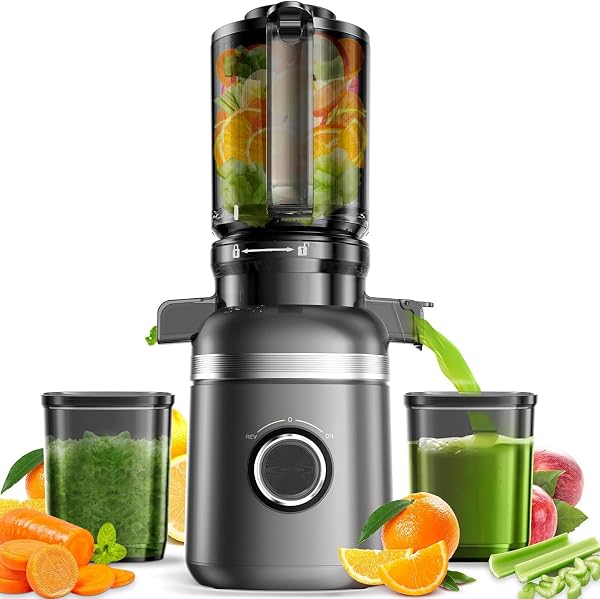
Juicer Machine Cold Pressed
✅ PROS
- Functional design for everyday cooking
- Easy to incorporate into your kitchen routine
❌ CONS
- May vary based on individual needs and preferences
- Check Amazon for current pricing and availability
The Verdict
The cold press juicer market is crowded with $200+ machines promising liquid gold. This one undercuts most of them. But does the cheaper price tag mean cheaper results? After digging through 190 ratings and the pattern of buyer experiences, here’s the honest picture.
What You Actually Get
The box contains the main juicer unit, a stainless steel mesh filter, the auger assembly, a pulp container, a juice pitcher with froth separator, and a pusher. Notably absent: a cleaning brush. For a machine with this many nooks and crannies, that’s a head-scratcher. You’ll want to order a narrow brush separately or prepare to wrestle pulp out of tight spots with a toothpick.
Performance: The Good, The Wet, and The Quiet
The slow masticating auger (around 80 RPM) genuinely delivers on the “cold press” promise. Heat buildup stays minimal, which matters if you’re juicing wheatgrass or delicate greens where enzymes degrade quickly. Multiple buyers note the yield difference versus their old centrifugal machines — one reviewer said they got “nearly double the juice from the same bag of spinach.”
It’s also genuinely quiet. If you’ve ever run a screaming centrifugal juicer at 6 AM, you’ll appreciate the difference. This one hums along at conversation level.
Where it stumbles: the pulp. It comes out noticeably wetter than premium machines like the Omega or Hurom. You’ll see the difference immediately — pulp that should be dry and crumbly is clumpy and moist. That means you’re leaving juice in the waste bin. The workaround is re-running pulp or squeezing it through cheesecloth, which defeats the convenience factor.
What Buyers Consistently Praise
The value proposition keeps coming up. As one verified buyer put it: “For a third of the price of the big names, this does 85% of the job. The juice tastes fresh and my kale doesn’t oxidize immediately.” Another noted the compact footprint: “Fits under my upper cabinets. My old juicer had to live on the counter.”
Assembly, once you learn it, is manageable. The parts click together with clear alignment marks, and the machine won’t run unless everything is seated properly — a safety feature that prevents the “exploding juicer” problem cheaper units sometimes have.
Where It Falls Short
The cleaning situation is the biggest complaint. The filter mesh is fine and prone to clogging, especially with fibrous produce like celery. You’ll be scrubbing after every use, and skipping the rinse for even an hour means dried pulp that requires soaking. One reviewer summed it up: “Great juice, but I spend as much time cleaning as I do juicing.”
The feed chute is narrower than it looks. The 3-inch opening sounds generous, but the auger design means you still need to cut apples into quarters and carrots into halves. Not a dealbreaker, but don’t expect the “throw a whole apple in” convenience of some horizontal models.
Froth is a real issue. The separator helps, but you’ll still get a foam layer on top of juice that sits for more than a few minutes. Stir it in or skim it — your choice.
Who Should Buy This
Buy it if: You’re new to cold press juicing and want to test whether the lifestyle fits without dropping $300+. You juice mostly greens, soft fruits, and citrus. You don’t mind a 10-15 minute cleanup routine.
Skip it if: You’re upgrading from a premium machine and expect the same dry pulp and effortless cleanup. You juice daily with high volumes of fibrous vegetables like celery and ginger. You have limited patience for multi-part disassembly.
FAQ
Q: Does it handle frozen fruit for smoothie bowls or nice cream? A: Yes, but with caveats. It processes frozen banana and mango reasonably well, though you’ll need to let them thaw for 5-10 minutes. The auger handles soft-frozen fruit fine, but rock-hard pieces can stall the motor. The auto-reverse function helps, but it’s not a dedicated sorbet machine.
Q: How long does the juice actually last? A: Expect 48-72 hours in a sealed glass container in the fridge. The slow pressing minimizes oxidation, so the juice stays vibrant longer than centrifugal results. That said, citrus juice degrades faster — drink it within 24 hours for best flavor.
Q: Is the motor strong enough for wheatgrass? A: This is the machine’s sweet spot. The slow auger crushes wheatgrass effectively without the heat damage that ruins it in fast juicers. You’ll get decent yield, though you may need to run the pulp through twice for maximum extraction.
The Verdict
Rating: 3.7/5 — The Juicer Machine Cold Pressed is a solid budget entry point into slow juicing. It delivers genuinely good juice, runs quietly, and costs a fraction of the premium competition. But the wet pulp and tedious cleanup mean you’re trading money for time. If you’re a casual juicer who wants fresh greens without the $400 price tag, this gets the job done. If you’re a daily juicer who values efficiency, save up for a pricier model with a dryer pulp and self-cleaning features.
Buy it if you want cold-pressed quality on a budget and don’t mind a 10-minute scrub-down after each use. Skip it if cleanup time is your dealbreaker — this machine will test your patience.
Where to Buy
We earn a small commission at no extra cost to you — this helps fund more honest reviews.
Last updated: 2026-08-06. Ratings and prices current as of review date. Verify on Amazon before purchasing.
More Kitchen Appliances Verdicts