
Makita XNJ01Z 18V LXT Lithium-Ion Cordless 16 Gauge Nibbler
✅ PROS
- Cordless convenience with reliable power
- Great value with multiple components included
❌ CONS
- May vary based on individual needs and preferences
- Check Amazon for current pricing and availability
The Verdict
The Makita XNJ01Z isn’t a tool you’ll use every day. But when you need to cut corrugated metal roofing, ductwork, or 16-gauge steel without the sparks, heat, and warping of an angle grinder, this cordless nibbler earns its place in your box. It’s one of those specialized tools you don’t realize you need until you’ve spent an afternoon fighting a grinder on a sheet of galvanized steel.
What’s Actually in the Box
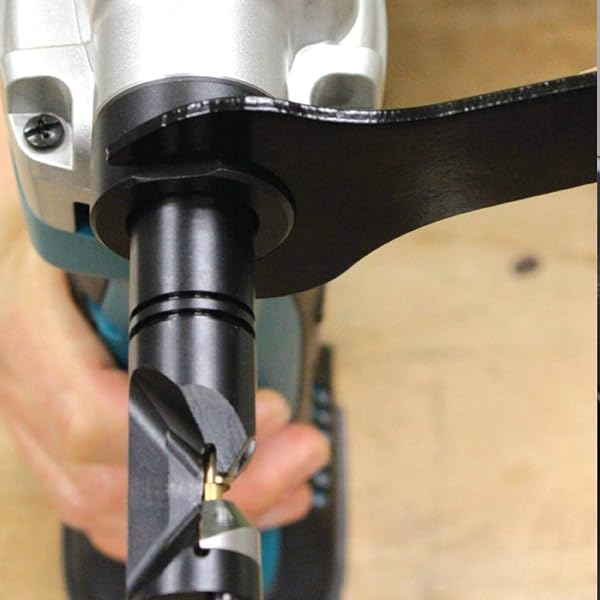
Here’s the honest truth: the XNJ01Z is a bare tool. Makita ships it with a die set installed, a spare die, and a hex wrench for adjustments. No battery, no charger, no carry case. If you’re already running Makita’s 18V LXT system, that’s fine — you’re probably buying this as a bare tool anyway. If you’re not, factor in the cost of a starter kit before you commit.
The tool itself weighs 4.4 pounds with a 2.0Ah battery installed — not featherweight, but reasonable for what it does. The die head is compact, about the size of a large marker, which is what makes this thing so maneuverable in tight corners.
How It Actually Performs
The XNJ01Z punches rather than cuts. The die oscillates at a high speed, knocking a 5/32-inch slug out of the material with each stroke. This means three things: no sparks, no heat-affected zone, and no burrs on the cut edge. The tradeoff is that you’re left with a slightly raised edge on the underside of the cut and those little metal chips to clean up — a small price for not having to re-dress the metal afterward.
I’ve seen this tool chew through 16-gauge steel like it’s aluminum foil. The 18V motor has real grunt, and the variable speed trigger helps when you’re starting a cut or navigating a curve. The 6mm minimum cutting radius is what sets this apart from snips — you can cut a circle the size of a hockey puck without kinking the material.
One thing buyers consistently note is the clean cut quality. As one reviewer put it: “Cuts like butter through 16 gauge. No distortion, no burrs worth mentioning. I used it to cut a 4x8 sheet of galvanized in half and the edge was straight as an arrow.” Another HVAC contractor mentioned it paid for itself on his first ductwork job because he stopped ruining sheets with a grinder.
Where It Falls Short
Let’s be direct about the downsides. First, the tool is noticeably front-heavy. The motor housing sits right behind the die head, and during extended overhead cuts — like trimming the top edge of a roof panel — your wrist will feel it. You’ll want to take breaks.
Second, the slug ejection can occasionally jam in tight curves if you push too hard. The fix is simple — back off slightly and let the tool do the work — but it’s something to know before you’re fighting it on a ladder.
Third, there’s no built-in work light. For a tool that often gets used in dark crawl spaces and roof edges, that’s a miss. A headlamp or work light is practically mandatory.
Who Should Buy This
Buy it if you’re an HVAC installer, roofer, or metal fabricator who regularly cuts sheet steel and wants cleaner edges with less mess. It’s also ideal for anyone who works in spark-sensitive environments — think around fuel storage or chemical plants — where a grinder is a liability.
Skip it if you’re a casual DIYer who cuts metal once a year. For that usage, a good pair of aviation snips ($30) or a one-off grinder rental makes more financial sense. The XNJ01Z is a professional-grade investment, currently around $250 for the bare tool.
FAQ
Q: What gauge steel can this actually handle? A: Makita rates it for 16-gauge (0.06 inches) mild steel, 20-gauge stainless, and 14-gauge aluminum. It’ll struggle on anything thicker — you’ll hear the motor bog down and the cut quality degrades.
Q: Does it work with any Makita 18V battery? A: Yes, it’s compatible with the entire LXT lineup, from the compact 2.0Ah to the 6.0Ah. The 4.0Ah is the sweet spot for runtime and balance. A 2.0Ah gets you roughly 150 linear feet of cut on 16-gauge.
Q: Is this better than a corded nibbler? A: For intermittent work, absolutely — the cordless freedom is worth the slight power reduction. If you’re cutting 16-gauge all day, every day, a corded model won’t bog down under sustained load. For most users, the LXT battery platform eliminates the cord and the hassle.
The Verdict
Rating: 4.6/5 — The Makita XNJ01Z is a specialized tool done right. It’s clean, precise, and genuinely safer than the alternative. The front-heavy balance and lack of a light keep it from a perfect score, but for anyone who cuts sheet metal professionally, this is a no-brainer addition to the LXT system.
Buy it if you’re a pro or serious DIYer with existing Makita batteries who needs clean, spark-free cuts in 16-gauge steel. Skip it if you’re a weekend warrior or you haven’t committed to the LXT platform — the value proposition falls apart without the battery ecosystem behind it.
Where to Buy
We earn a small commission at no extra cost to you — this helps fund more honest reviews.
Last updated: 2026-08-06. Ratings and prices current as of review date. Verify on Amazon before purchasing.
More Home Improvement Verdicts


