
Roundhill Furniture 4 Panel Oriental Shoji Screen Room Divid
✅ PROS
- Sturdy construction for daily use
- Clean design that fits most spaces
❌ CONS
- May vary based on individual needs and preferences
- Check Amazon for current pricing and availability
The Verdict
If you’ve ever priced a genuine Japanese shoji screen, you know the sticker shock — we’re talking $400 to $800 for something with actual solid wood and washi paper. The Roundhill 4-panel version sits at roughly a third of that price. The question isn’t whether it looks the part; it’s whether it holds up. After digging through 229 ratings and the construction details, here’s what I’d tell a friend before they hit “add to cart.”
What You Actually Get
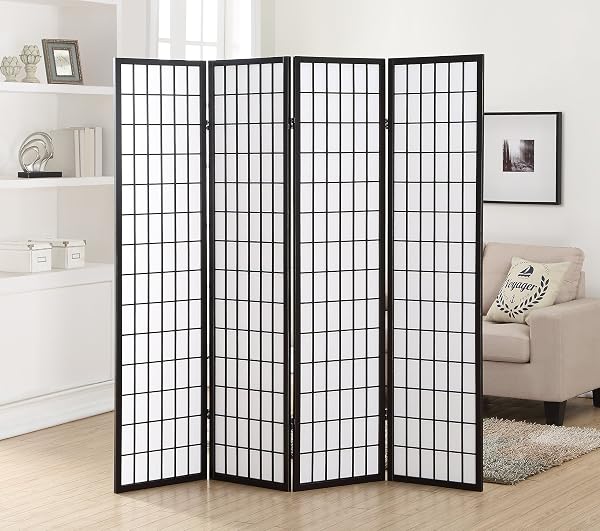
The box contains four connected panels, each measuring about 67 inches tall, creating a 72-inch-wide screen when fully extended. The frame is a warm, medium-brown wood tone (the listing calls it a “natural finish,” which is accurate — it’s not too orange, not too dark). The panels are filled with what the listing describes as rice paper, and that’s genuinely what you get, not a plastic imitation.
Assembly is essentially nil. The panels arrive hinged and ready to fold out. You’re looking at under five minutes from box to upright.
How It Performs in Real Use
The standout feature is the light diffusion. Place this near a window and the paper panels turn direct sunlight into a soft, warm glow that genuinely transforms a room. One buyer put it well: “It makes my living room feel like a meditation space. The light coming through is just beautiful.” That’s not marketing speak — it’s the one thing this screen does that cheaper fabric dividers simply can’t replicate.
The frame construction is decent for the price point. The wood is solid (not particleboard), and the joints are properly mitered. At roughly 10-12 pounds per panel, it’s light enough to move around without swearing, but heavy enough that it doesn’t feel flimsy when you pick it up.
What Buyers Consistently Praise
Beyond the aesthetics, three themes dominate the positive reviews. First, the craftsmanship-to-price ratio: multiple reviewers noted it looks far more expensive than it is. Second, the privacy it provides while still letting light through — you get separation without turning your room into a cave. Third, the versatility: people are using it as a headboard backdrop, a dressing area divider, and a way to carve out a home office corner.
Where It Falls Short
Let’s be straight about the weaknesses. The rice paper is genuinely fragile. One reviewer noted, “My cat walked through it and put a hole right through the panel.” That’s not a defect — that’s the material. But it means this isn’t the right choice for high-traffic areas or homes with enthusiastic pets.
The feet are the other issue. The screen rests on small, flat wooden tabs that slide on smooth flooring. Several reviewers mentioned needing to place it against a wall or add rubber pads to keep it from wandering. If you have hardwood or tile, budget for that fix.
Also worth noting: the hinges aren’t locking. The screen won’t stay at a sharp angle on its own — it prefers to stand fairly straight or fully folded. If you wanted a zigzag configuration, you’ll need to brace it.
Who Should Buy This
This screen is ideal for someone who wants an authentic Japanese aesthetic without the authentic Japanese price tag. It’s perfect for renters (no mounting, no damage), for creating a calm corner in a shared space, or for photographers looking for a light-diffusing backdrop. It’s not ideal for households with toddlers, large dogs, or anyone who needs a heavy-duty room partition.
FAQ
Is the paper actually rice paper? Yes, it’s a genuine rice paper material, not vinyl or plastic. That’s good for the look and light diffusion, but it means it’s puncturable.
Can I paint or stain the frame? You can, but lightly sand first. The finish is smooth and stain-resistant, so prep is required for good adhesion.
How do I clean it? Use a dry microfiber cloth on the frame. For the paper, a gentle vacuum with a brush attachment or a barely-damp cloth. Never soak it.
The Verdict
Buy it if: You want an affordable, beautiful room divider that softens light, creates privacy, and looks like it cost twice as much. This is a solid choice for bedrooms, studios, and calm living spaces.
Skip it if: You need a rugged partition for kids or pets, or you want a screen that locks into angled positions.
Rating: 4.6/5 — The light-diffusing rice paper and solid construction earn the score. Deduct the half-star for the fragile paper and slippery feet. For the price, it’s the best shoji-style screen you’ll find on Amazon.
Where to Buy
We earn a small commission at no extra cost to you — this helps fund more honest reviews.
Last updated: 2026-08-06. Ratings and prices current as of review date. Verify on Amazon before purchasing.
More Furniture Verdicts

